Camp X’s Beginnings
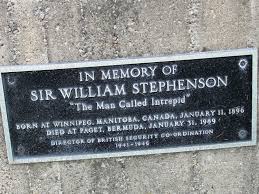
Camp X was born out of a British initiative to garner support for the war effort from the initially neutral United States. In 1941, William “Wild Bill” Donovan, appointed as the Coordinator of Information by President Franklin D. Roosevelt, aimed to cultivate a cadre of secret agents, and Camp X was conceived for this purpose. The driving force behind the project was William Stephenson, who is now widely known as “Intrepid,” although that wasn’t his official code name; it was just a telegraphic address he used after the war.
Stephenson, stationed in New York in 1940 as the head of Britain’s Secret Intelligence Service (SIS) in the United States, tapped into his extensive network across Canada to find a suitable location. Camp X opened its doors in December 1941, training its staff in the intricacies of secret warfare. With the United States’ entry into World War II after the Pearl Harbor attack, Donovan was able to establish his own training schools, initially relying on the resources and syllabus provided by Camp X.
A Joint Effort with Canada
Camp X had a significant Canadian dimension. It closely collaborated with local military authorities, the Royal Canadian Mounted Police (RCMP), and operated with Ottawa’s knowledge and consent. Canadian personnel played key roles in its administration, and they were instrumental in recruiting and training wireless operators for the intelligence effort.
Evolution and Recruits
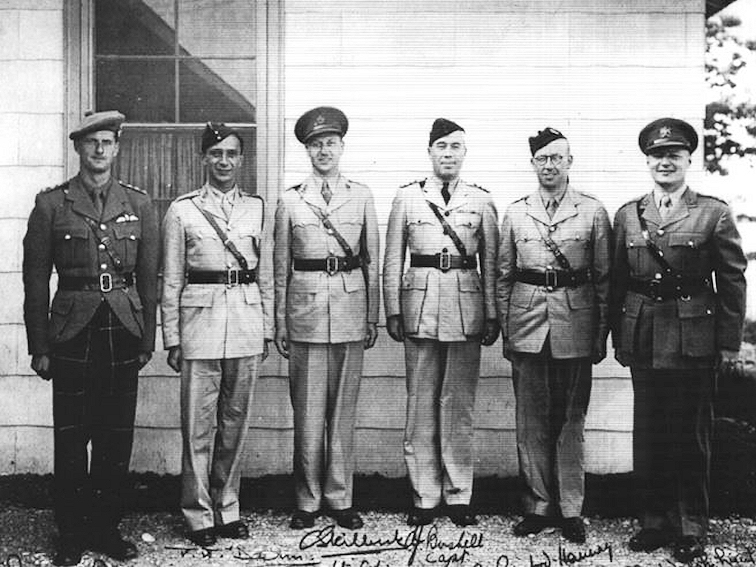
As the American contingent at Camp X decreased, new recruits were brought in. In 1942, individuals from Central and South America were trained to protect British-owned or operated businesses from potential Nazi subversion. Later, many recent European immigrants to Canada, such as Yugoslavian, Italian, and Hungarian Canadians, were trained to operate behind enemy lines.
Camp X’s training was foundational, preparing individuals for more advanced courses in British schools. The training school ceased operations in April 1944, and it’s estimated that about 500 students went through the camp.
Hydra’s Vital Role
Hydra, operating on the same site, played a critical role as a secure radio communications link. It facilitated the exchange of high-grade intelligence material between the British Security Coordination (BSC), Ottawa, London, and Washington. This aspect of Camp X involved deeper Canadian government involvement than the training school.
Entry into the “Five Eyes” Community
In March 1946, Canada became part of the “Five Eyes” intelligence-sharing community, which includes Australia, Britain, Canada, New Zealand, and the United States. This alliance matured during the Cold War.
Women’s Contributions
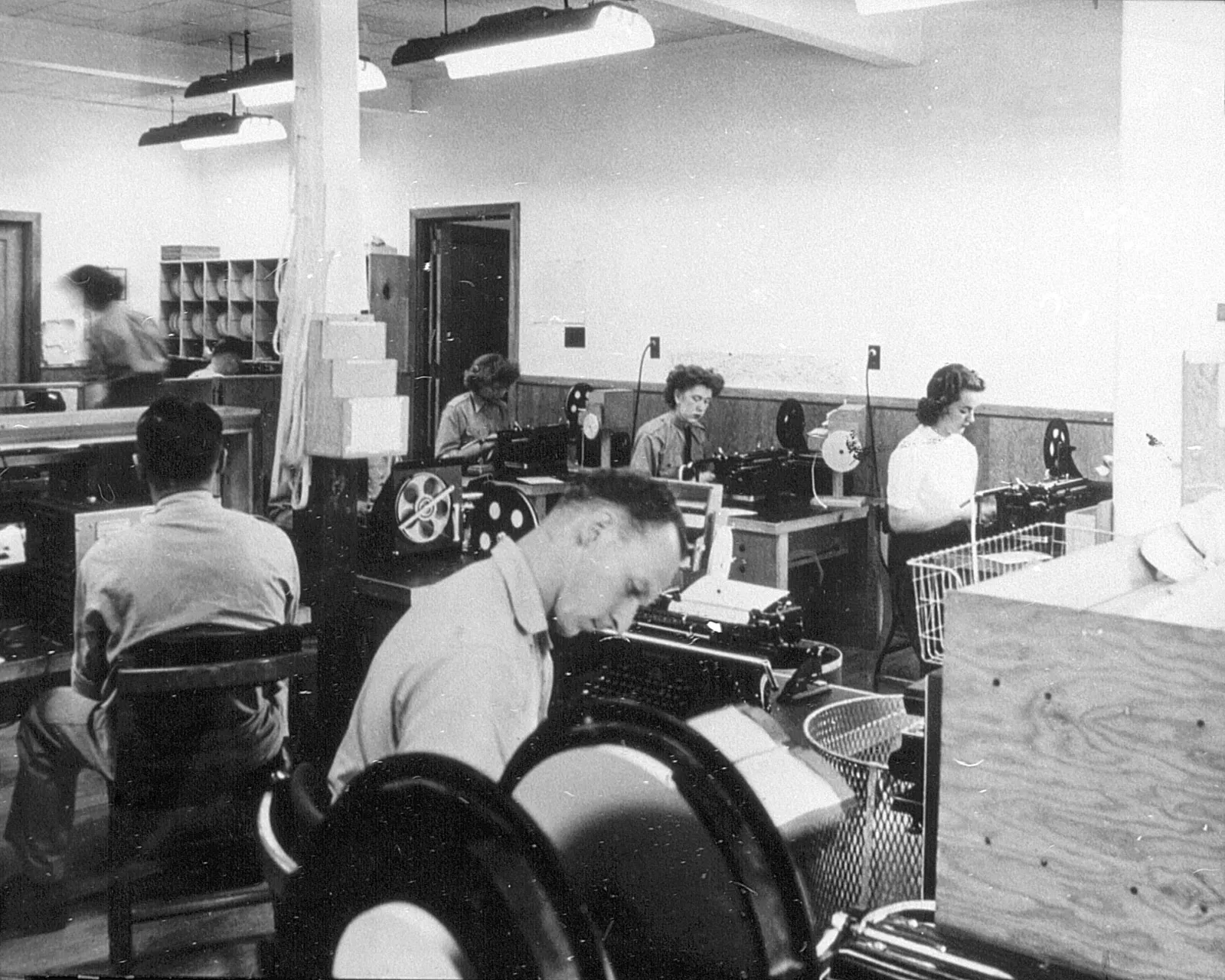
The Canadian Women’s Army Corps (CWAC) served at Camp X, handling various roles, including technical tasks like transmitting and decoding encrypted messages. They played a crucial part in the operation’s success.
Involvement in the Cold War
Camp X also played a role in the early Cold War when Soviet cipher clerk Igor Gouzenko sought refuge there after defecting in Ottawa. His revelations about Soviet espionage heightened public awareness of Cold War spying. It was within Camp X’s safety that he continued to share vital information.
Closure and the Camp’s Legacy
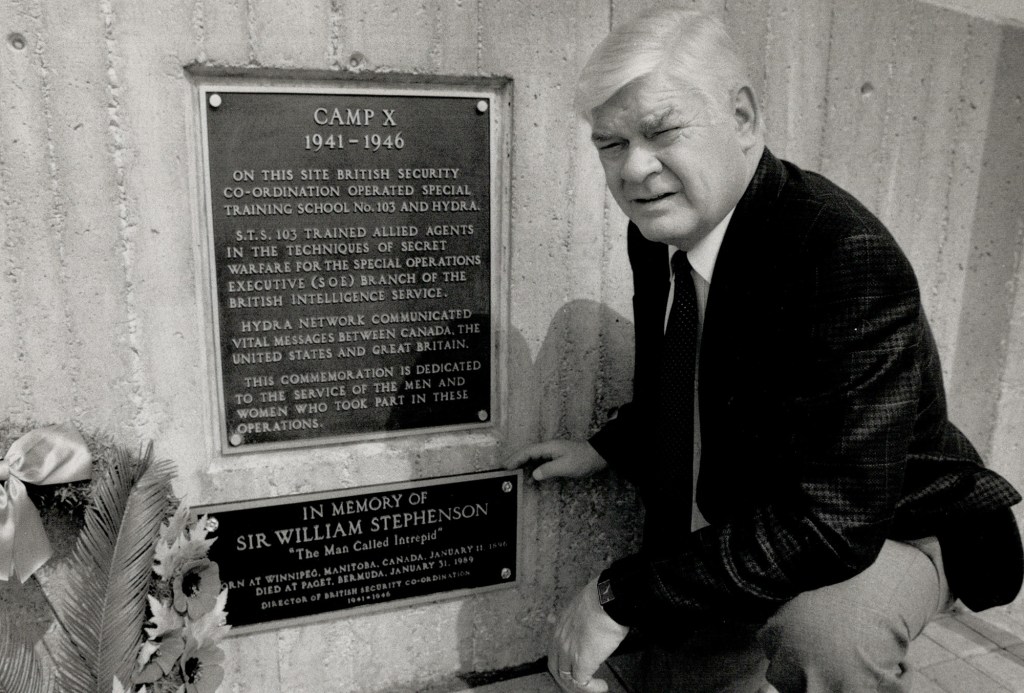
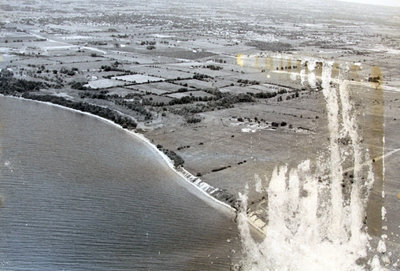
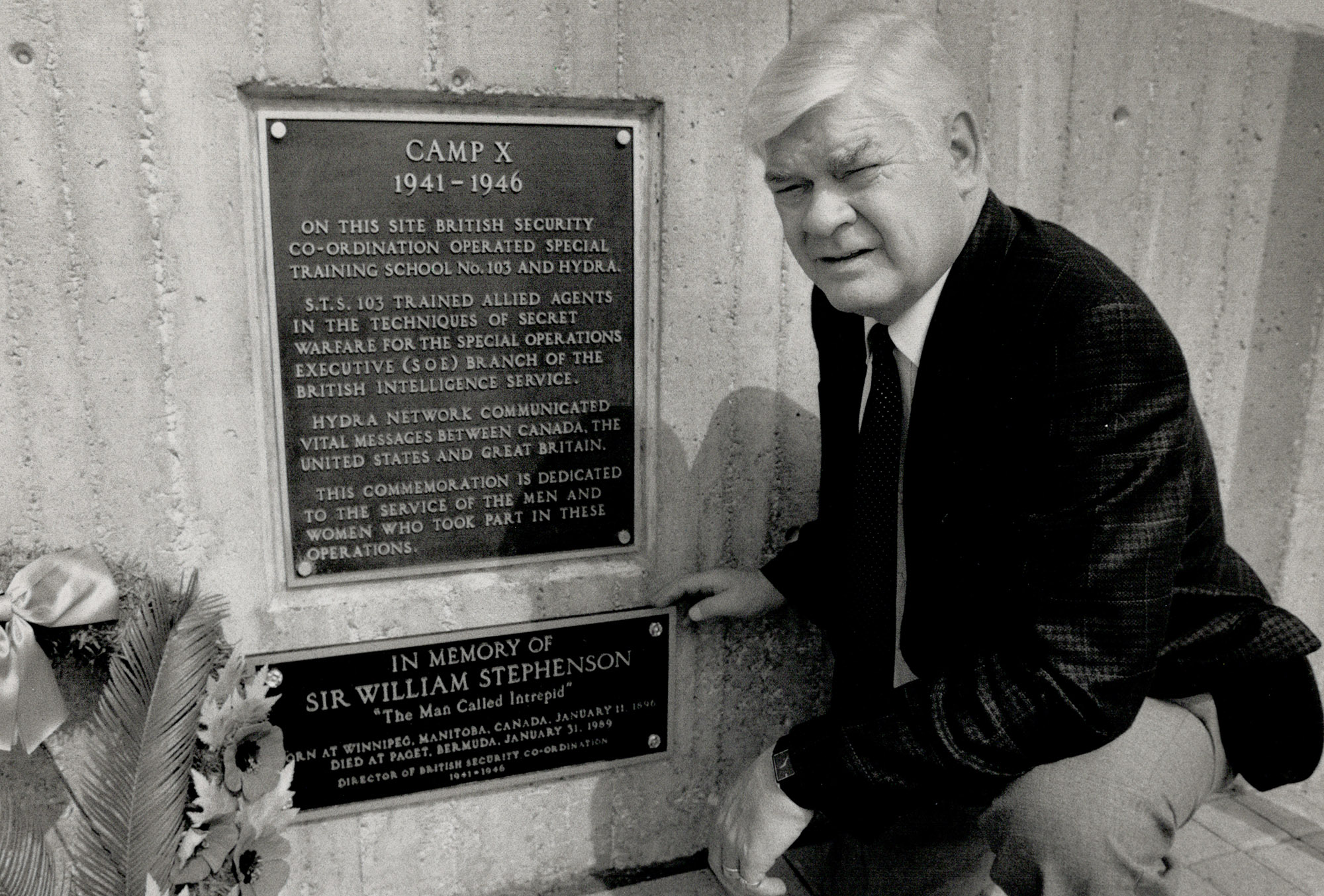
Camp X was taken over by the Canadian government in 1947, serving as a military signals station until its closure in 1969 and eventual demolition. Today, a plaque marks the historic site. Camp X has been the subject of myths and inaccurate claims, including alleged involvement in major WWII operations and ties to Ian Fleming, the author of the James Bond series.
The camp’s legacy extends to post-war espionage culture, with some of its instructors and associates going on to influence the spy genre in literature and film. The site, now known as Intrepid Park, commemorates Stephenson and Camp X’s historical significance with dedicated plaques.
Further Reading
Want to know more about Camp X? Check out these books.
1. Inside Camp X – Lynn-Philip Hodgson
A meticulously researched non-fiction account that brings Camp X’s secrets to light, packed with rare photographs, interviews, and historical detail. Lauded for its depth and vivid storytelling.
2. Dispatches from Camp-X – Lynn-Philip Hodgson
A thrilling companion to Inside Camp X, filled with new anecdotes, personal stories, and behind-the-scenes glimpses—from parachute jumps to secret operations and even hints toward James Bond lore.
3. Camp X: OSS, Intrepid, and the Allies’ North American Training Camp for Secret Agents, 1941-1945 – David Stafford
A vivid, narrative-driven history drawing on newly declassified SOE and OSS files, personal letters, and eyewitness accounts. Covers the training curriculum, spycraft, and major personalities such as “Wild Bill” Donovan and “Intrepid.”
4. Camp X: Canada’s School for Secret Agents, 1941-45 – David Stafford
Similar in scope to the above, this Canadian edition publishes the same riveting insights into espionage training, strategy, and legacy of the camp.
 I N T R E P X
Leave a comment